Introduction to Wu Xing Teachings at Wu Xing Academy in Singapore

In the pursuit of personal and strategic clarity, one often seeks frameworks that transcend the ephemeral and touch upon the eternal. The ancient Chinese philosophy of Wu Xing, or the Five Elements, offers such a framework. Rooted in millennia of observation and reflection, Wu Xing provides a profound lens through which to understand the dynamic interplay of forces shaping our lives and environments. In Singapore, a city where tradition and modernity converge, the wu xing academy stands as a beacon for those eager to delve deeply into these teachings. It is here that professionals and lifelong learners alike can engage with this ancient wisdom, integrating it into contemporary contexts for sustainable success and inner peace.
The Essence of Wu Xing Teachings
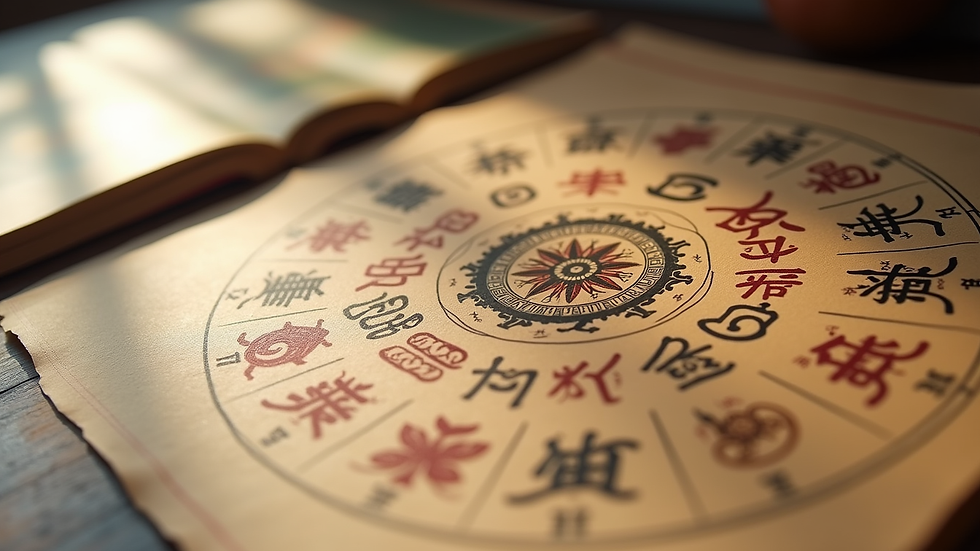
Wu Xing, often translated as the Five Elements or Five Phases, comprises Wood, Fire, Earth, Metal, and Water. These elements are not static substances but dynamic processes that interact cyclically and mutually influence one another. Understanding these interactions is crucial for applying Wu Xing teachings effectively.
Each element embodies specific qualities and associations:
Wood symbolizes growth, creativity, and expansion.
Fire represents transformation, passion, and illumination.
Earth stands for stability, nourishment, and grounding.
Metal signifies structure, clarity, and precision.
Water embodies adaptability, wisdom, and flow.
The cyclical nature of Wu Xing is expressed through two primary cycles: the generating (sheng) cycle, where each element nourishes the next, and the controlling (ke) cycle, where elements regulate one another to maintain balance. For example, Wood feeds Fire, Fire creates Earth (ash), Earth bears Metal, Metal enriches Water (through condensation), and Water nourishes Wood. Conversely, Wood controls Earth by penetrating it with roots, Earth controls Water by damming, Water controls Fire by extinguishing, Fire controls Metal by melting, and Metal controls Wood by cutting.
This intricate system offers a comprehensive model for understanding change, balance, and interaction in natural, social, and personal realms. It is this depth and applicability that the Wu Xing Academy in Singapore seeks to impart.

Wu Xing Teachings in Contemporary Practice
The relevance of Wu Xing teachings extends far beyond theoretical knowledge. In contemporary practice, these principles inform diverse fields such as health, business strategy, personal development, and environmental design. The Wu Xing Academy in Singapore provides structured courses that translate these ancient concepts into actionable insights.
For instance, in the realm of health and wellness, Wu Xing offers a framework for understanding bodily functions and emotional states. Each element corresponds to specific organs and emotions: Wood to the liver and anger, Fire to the heart and joy, Earth to the spleen and worry, Metal to the lungs and grief, and Water to the kidneys and fear. By recognizing imbalances in these elements, practitioners can tailor interventions that restore harmony.
In business and leadership, Wu Xing teachings guide decision-making and team dynamics. Wood’s creativity can inspire innovation, Fire’s energy can drive motivation, Earth’s stability can ensure reliability, Metal’s precision can enhance efficiency, and Water’s adaptability can foster resilience. Leaders trained in these principles learn to identify which elements dominate or lack presence within their organizations and adjust strategies accordingly.
The academy’s curriculum emphasizes experiential learning, encouraging students to apply Wu Xing principles in real-world scenarios. This approach ensures that learners not only grasp theoretical constructs but also develop the capacity to integrate them seamlessly into their professional and personal lives.
The Role of Wu Xing Academy in Singapore’s Educational Landscape
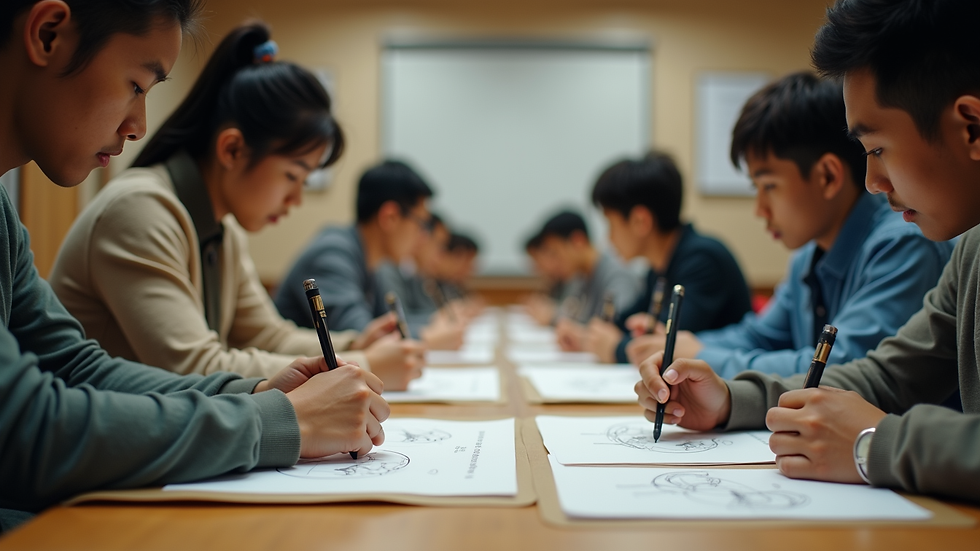
Singapore’s unique position as a global hub for education and innovation makes it an ideal location for the dissemination of Wu Xing teachings. The Wu Xing Academy contributes significantly to this landscape by offering a rigorous, well-structured program that bridges ancient wisdom and modern application.
The academy’s mission aligns with the broader educational goals of fostering critical thinking, cultural literacy, and holistic development. Its courses are designed to cater to professionals who seek to enhance their strategic acumen and lifelong learners committed to personal growth. The curriculum is comprehensive, covering foundational theories, practical methodologies, and advanced applications.
Moreover, the academy fosters a community of learners and practitioners who support one another’s journeys. This network facilitates ongoing dialogue, collaboration, and mentorship, enriching the educational experience beyond the classroom.
Practical Recommendations for Engaging with Wu Xing Teachings
For those embarking on the study of Wu Xing, certain approaches can maximize the benefits derived from this profound system:
Begin with foundational knowledge: Familiarize yourself with the basic characteristics and cycles of the Five Elements. This groundwork is essential for deeper exploration.
Observe natural and personal patterns: Apply Wu Xing principles to daily life by noting how elemental qualities manifest in your environment, emotions, and interactions.
Engage in guided learning: Enroll in structured courses such as those offered by the Wu Xing Academy to gain expert insights and practical tools.
Practice reflective application: Regularly assess how Wu Xing concepts influence your decisions and relationships, adjusting your approach as needed.
Integrate complementary disciplines: Combine Wu Xing teachings with other modalities like traditional Chinese medicine, feng shui, or leadership frameworks for a holistic perspective.
By adopting these strategies, learners can cultivate a nuanced understanding of Wu Xing and harness its power to foster balance and clarity in complex situations.
Embracing Wu Xing for Sustainable Success and Inner Peace
The enduring appeal of Wu Xing lies in its capacity to illuminate the interconnectedness of all things and to offer pathways toward equilibrium. In a world characterized by rapid change and multifaceted challenges, the wisdom encapsulated in Wu Xing provides a stabilizing force.
Through the offerings of the wu xing academy, individuals are empowered to integrate this ancient knowledge with contemporary life demands. This integration not only enhances professional effectiveness but also nurtures inner harmony, enabling a sustainable approach to success.
As one progresses in the study of Wu Xing, the initial complexity gives way to clarity, and the abstract becomes tangible. The journey is one of continuous discovery, where each element reveals new dimensions of understanding and application. It is a journey well worth undertaking for those committed to mastering the art of balance in both personal and professional spheres.


Comments